
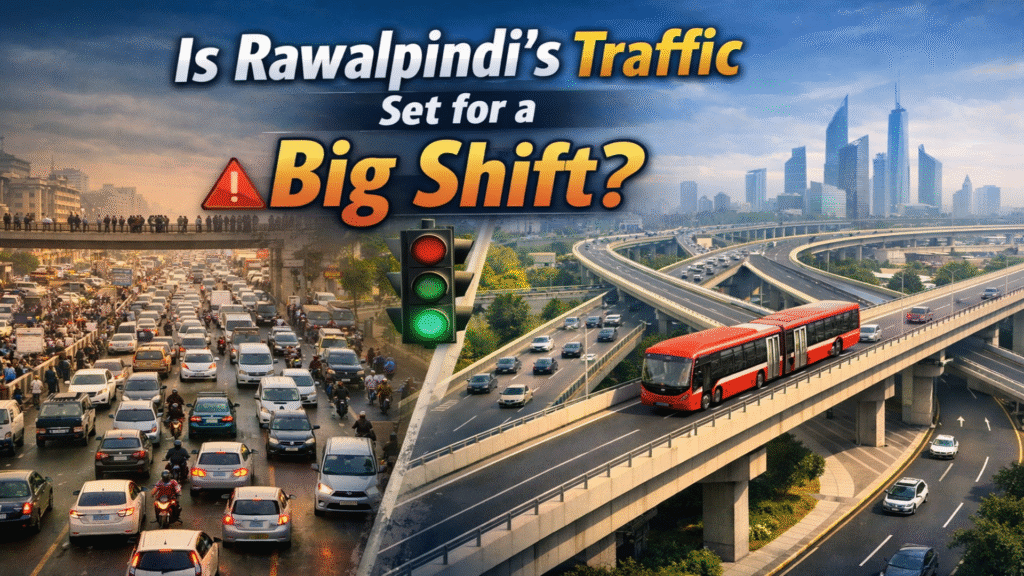
Punjab Unveils Game-Changing Transport Restructuring Plan
The Punjab government has accelerated efforts to modernize urban mobility through the ambitious Rawalpindi Ring Road Transport Terminals initiative. The project aims to relocate major bus stands, goods transport hubs, and wholesale markets from congested city areas to strategically planned locations along the Rawalpindi Ring Road.
Officials believe this large-scale transport overhaul will reduce traffic congestion, improve commuter experiences, and support long-term urban development across Rawalpindi and Islamabad.
Pirwadhai Bus Stand to Get a New Role
One of the most significant changes under the plan involves the relocation of the historic Pirwadhai General Bus Stand and dozens of transport facilities currently operating within the city.
According to authorities, the project includes shifting:
- Pirwadhai General Bus Stand
- 44 public transport terminals
- Goods transport terminals
- Islamabad fruit and vegetable market
After the transition, Pirwadhai will primarily function as a local transit hub serving commuters traveling between Rawalpindi and Islamabad through affordable public transport services.
New Transport Routes to Improve Traffic Flow
The Rawalpindi Ring Road Transport Terminals project introduces a structured transport management system designed to streamline intercity and provincial traffic movement.
Under the proposed routing framework:
- Transport arriving from Peshawar will be directed toward a terminal near Islamabad International Airport.
- Vehicles coming from various Punjab districts will access designated Ring Road terminals.
- Traffic from Azad Kashmir through Murree will be routed toward Bharakahu.
- Transport from southern and eastern regions will enter through Rawat.
This organized system is expected to minimize heavy vehicle movement inside densely populated urban zones.
Reduced Congestion for Twin Cities
Traffic congestion remains one of the biggest challenges facing Rawalpindi and Islamabad. The movement of buses, cargo vehicles, and wholesale market transport often contributes to road bottlenecks and slower commuting times.
By relocating these facilities to the Ring Road corridor, authorities aim to:
- Reduce urban traffic pressure
- Improve road safety
- Decrease travel times
- Lower infrastructure wear and tear
- Enhance overall transport efficiency
Urban planning experts view the initiative as a critical step toward sustainable mobility management for the rapidly growing twin cities.
Ring Road Development Gains Momentum
Although the terminal relocation concept was initially approved in 2004, implementation faced multiple delays over the years.
Now, with significant progress on the Rawalpindi Ring Road project, authorities are moving forward with the long-awaited transportation restructuring plan. Additional road segments near Bharakahu are expected to become operational soon, paving the way for full implementation.
The completion of these infrastructure links will be essential for connecting new transport hubs with surrounding districts and urban centers.
Benefits for Real Estate and Commercial Growth
Major transportation projects often influence property markets, and the Ring Road corridor is already attracting investor attention.
Improved accessibility and the establishment of transport hubs could generate opportunities for:
- Commercial developments
- Logistics centers
- Warehousing facilities
- Retail businesses
- Residential projects
Property experts believe areas surrounding future transport terminals may witness increased demand as infrastructure improvements continue.
A Smarter Future for Urban Mobility
The Rawalpindi Ring Road Transport Terminals initiative represents more than a transport project—it is a long-term urban planning strategy designed to improve connectivity, economic activity, and quality of life.
With feeder transport services connecting passengers to city centers and heavy vehicles redirected away from crowded roads, the project promises a more organized and efficient transportation network for the twin cities.
As implementation progresses, Rawalpindi and Islamabad could move closer to achieving a modern transport ecosystem capable of supporting future population and economic growth. The source of this news is Imlaak.