
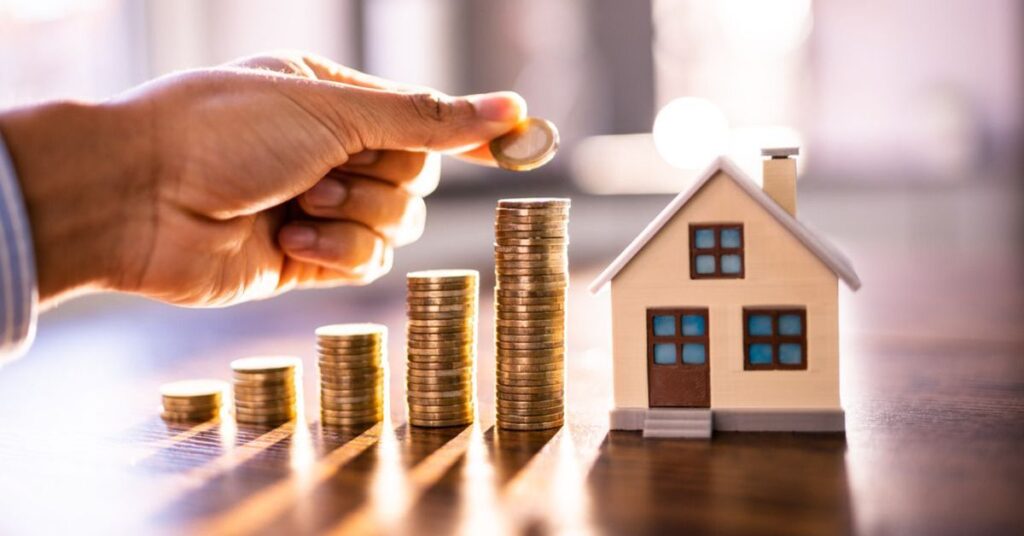
High inflation is reshaping financial decisions across Pakistan’s economy, especially in real estate. Rising prices, increasing construction costs, and declining purchasing power are forcing investors to rethink how they protect and grow their wealth. In this environment, property investment is not just an opportunity—it becomes a strategic financial shield when executed correctly.
As of May 2026, inflation in Pakistan has climbed to 10.9% year-on-year, while the policy rate has reached 11.5% according to the State Bank of Pakistan. These conditions are directly influencing buyer behavior, loan affordability, and real estate demand in major cities like Lahore, Karachi, and Islamabad.
So the real question is: Should you buy property during high inflation or wait for stability?
Inflation and Its Impact on Wealth in Pakistan
Inflation reduces the real value of money over time. What you can buy today may cost significantly more in the future due to rising prices of:
- Construction materials (cement, steel, bricks)
- Fuel and transportation
- Labour and development costs
- Food and utilities
This gradual loss of purchasing power pushes investors to shift from cash savings toward tangible assets like real estate.
Unlike currency, land and property are limited resources. That scarcity gives real estate a natural advantage during inflationary periods.
Why Property Works as an Inflation Hedge
Real estate is widely considered an inflation hedge because its value is linked to:
- Land scarcity
- Construction cost inflation
- Market demand
- Urban expansion
- Rental growth trends
When replacement costs rise, the value of existing property also increases. This is why developed houses and well-located plots often appreciate during inflationary cycles.
Rental Income Advantage
Rental income becomes even more important in inflationary markets. As living costs rise, rents usually adjust upward in strong demand areas, helping investors maintain cash flow.
However, not every property performs equally. Only well-located and legally secure assets provide true inflation protection.
How Inflation Affects Pakistan’s Property Market
Inflation impacts real estate in several ways:
1. Rising Construction Costs
Developers face higher expenses, increasing prices of new projects and housing units.
2. Shift Toward Land Investment
Investors move capital from cash to land, increasing demand for plots in established areas.
3. Rental Adjustments
High-demand areas often see gradual rent increases aligned with inflation.
4. Financing Pressure
Higher interest rates reduce affordability for loan-based buyers, slowing speculative demand.
5. Cash Buyer Advantage
Cash buyers gain stronger negotiation power in a high-rate environment.
Should You Buy Property or Wait?
Waiting is not always the safest strategy. Inflation itself can push property prices higher over time. The smarter approach is evaluation, not hesitation.
Before investing, ask:
- Is the price aligned with market value?
- Does the location show real demand?
- Can I hold this property for 3–5 years comfortably?
If the answer is yes, buying during inflation can protect long-term wealth.
Best Property Types During High Inflation in Pakistan
1. Developed or Possession Plots
Possession-ready plots in established housing societies are safer because they offer:
- Clear ownership
- Better resale liquidity
- Real land value
- Lower speculative risk
2. Residential Houses in Prime Locations
Houses in developed areas benefit from:
- Rising replacement cost
- Stable rental income
- Strong end-user demand
3. Apartments with High Rental Demand
Apartments perform well when located in areas with:
- Strong tenant demand
- Good management systems
- Access to transport and business hubs
4. Commercial Properties in Active Markets
Shops and offices can generate strong returns if:
- Footfall is high
- Business activity is stable
- Location is commercially active
5. Files and Early-Stage Projects
Files offer high returns but also carry higher risk. In inflationary conditions, delays and cost escalations can increase uncertainty. Only invest in projects with:
- Strong developer reputation
- Verified approvals
- Clear development progress
Why Rental Yield Becomes Critical During Inflation
In high inflation, capital gain alone is not enough. Investors must focus on rental yield.
Key factors to evaluate:
- Monthly rental income potential
- Vacancy rate in the area
- Maintenance and society charges
- Net rental yield (not gross figures)
A stable rental property can offset inflation-driven expenses and provide financial stability.
Financing Challenges in High Inflation
With policy rates at 11.5%, borrowing becomes expensive. This affects installment-based buyers and mortgage investors.
Important considerations:
- Total repayment cost increases significantly
- Hidden charges in installment projects
- Development and possession fees
- Escalation clauses in contracts
Always calculate total project cost, not just booking price.
Legal Safety: The Most Important Factor
During uncertain economic conditions, legal verification becomes non-negotiable.
Before investing, verify:
- Ownership and title documents
- NOC or society approval status
- Development and possession progress
- Transfer and registry process
- Pending dues or legal issues
Never rely only on marketing claims or verbal promises.
Importance of Location During Inflation
Location becomes even more powerful during inflationary cycles. Strong locations recover faster and hold value better.
Ideal locations have:
- Direct road access
- Infrastructure development
- Population growth
- Commercial activity
- Strong resale demand
- Reliable utilities
Weak locations often remain stagnant even during property booms.
Real ROI Calculation in Inflationary Markets
True return on investment must include:
- Transfer and registration fees
- Development charges
- Maintenance costs
- Vacancy periods (for rentals)
- Financing costs (if applicable)
Many investors overestimate profit by ignoring hidden expenses.
Risks of Buying Property During High Inflation
While real estate is strong, it is not risk-free:
- Overpriced purchases due to hype
- Low liquidity in slow markets
- Project delays due to rising costs
- Higher taxation and transaction costs
- Weak rental demand in poor locations
Smart investors reduce risk through research and due diligence.
Smart Investment Strategy for 2026
To succeed in Pakistan’s property market during inflation:
- Prioritize legally secure projects
- Focus on possession-based assets
- Compare real market transactions
- Evaluate rental demand before buying
- Avoid over-leveraging loans
- Maintain a long-term holding mindset
Final Verdict: Is Property a Good Investment During Inflation?
Yes—property remains one of the strongest inflation-resistant assets in Pakistan. It protects wealth, generates rental income, and benefits from rising land and construction costs.
However, success depends on strategy—not speculation.
The smartest investors focus on:
- Legal clarity
- Strong locations
- Real demand
- Verified development
- Long-term holding potential
In inflationary markets, the goal is not just to buy property—it is to buy the right property at the right price in the right location.
For expert guidance, verified property options, and safe investment planning in Pakistan’s real estate market, visit Merla.pk.